
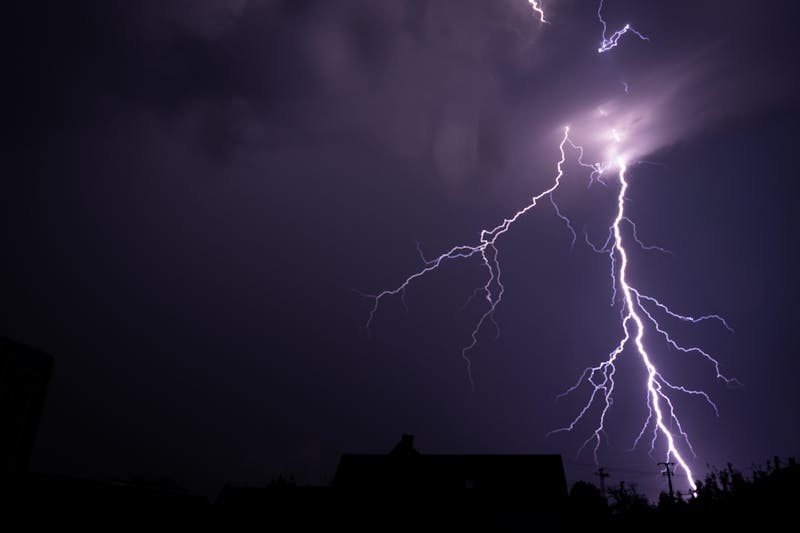
Sydney's Eastern Suburbs cop their fair share of electrical storms, especially during summer. When lightning hits close to home — or a power surge rips through the grid — the damage to your home's electrical system can range from tripped safety switches to fried appliances and damaged wiring.
Knowing what to do immediately after a storm, what to check, and when to call an emergency electrician can make the difference between a quick fix and a dangerous situation that gets worse.
Immediate Steps After an Electrical Storm
1. Stay Safe First
Before touching anything electrical:
- Don't touch any electrical equipment if there's standing water nearby or if you can smell burning
- Don't go near downed power lines — stay at least 8 metres away and call Ausgrid on 13 13 88 immediately
- Don't enter flooded areas of your home where water may be in contact with electrical equipment (switchboards, power points, appliances)
- Turn off the main switch at your switchboard if you can safely access it — this prevents further damage from ongoing electrical faults
2. Check Your Switchboard
After the immediate danger has passed, check your switchboard:
- Safety switches (RCDs) tripped: If one or more RCDs have tripped, it may be a protective response to a surge. You can try resetting once — if it trips again immediately, stop and call an electrician
- Circuit breakers tripped: Individual circuit breakers may have tripped due to surge damage on specific circuits. Note which ones are off
- Burn marks or smell: If you see scorch marks, melted plastic, or smell burning from the switchboard, do not touch it. Call an emergency electrician immediately
- Main switch off: If the main switch has tripped or you turned it off, leave it off until you've checked everything else
3. Check for Visible Damage
Walk through your home and look for:
- Blackened or melted power points: A sign of surge damage or arcing
- Burning smell from outlets or appliances: Indicates internal damage
- Appliances that won't turn on: Surge damage to electronics
- Flickering lights: May indicate loose connections caused by the surge
- Water ingress around electrical fittings: Storm-driven rain can enter through roof damage and reach light fittings or wiring
- Sparking or humming sounds: A dangerous sign — turn off the main switch and call an electrician
How Storms Damage Your Electrical System
Lightning Strikes (Direct and Indirect)
A direct lightning strike on your home is dramatic but rare. What's more common — and still destructive — is an indirect strike. Lightning hits a tree, power pole, or the ground nearby, and the massive voltage spike travels through the electrical grid, phone lines, or even the earth itself into your home's wiring.
A single lightning bolt can carry up to 300 million volts. Even a nearby strike can induce surges of several thousand volts in your home's wiring — far beyond what your 230V electrical system and connected devices are designed to handle.
Damage from lightning can include:
- Destroyed switchboard components: Surge arrestors, RCDs, and circuit breakers can be blown
- Damaged wiring insulation: The surge can break down the insulation on cables inside walls, creating a hidden fault that may cause problems later
- Fried electronics: TVs, computers, routers, smart home devices, and any connected electronics are vulnerable
- Hot water system damage: The thermostat and element in electric hot water systems are common surge casualties
- Air conditioning damage: Control boards in split system air conditioners are particularly surge-sensitive
Power Surges from the Grid
Even without a direct or indirect lightning strike, storms cause surges through the power grid. When trees bring down power lines, when transformers are struck, or when the grid switches loads during a storm, voltage spikes travel through the network to your home.
Grid surges are typically lower voltage than lightning-induced surges but can still damage sensitive electronics, particularly if your home lacks surge protection.
Water Damage to Electrical Systems
Heavy rain and flooding during storms can cause:
- Water in switchboards: Outdoor or poorly sealed switchboards can get waterlogged, causing short circuits and corrosion
- Water in power points and light fittings: Roof leaks during storms can send water into ceiling-mounted lights and wall outlets
- Underground cable damage: Flooding can damage underground electrical cables, particularly in older installations
- Earth system damage: Saturated soil can affect your home's earthing system performance
When to Call an Emergency Electrician
Call an emergency electrician immediately if you experience any of the following after a storm:
- Burning smell from switchboard, power points, or walls
- Scorch marks or melted components on the switchboard
- Safety switches that won't stay on after one reset attempt
- Sparking from any electrical fitting
- Water in contact with electrical equipment
- Complete loss of power that isn't a general area outage (check with neighbours)
- Any signs of electrical fire — smoke, heat from walls or outlets
For a general area outage, check the Ausgrid outage map or call 13 13 88. If your neighbours have power and you don't, the issue is likely within your property and you'll need an electrician.
The Electrician's Storm Damage Assessment
When your electrician arrives to assess storm damage, here's what they'll typically check:
Switchboard Inspection
- Visual inspection for burn marks, melted components, or water damage
- Testing all RCDs and circuit breakers for correct operation
- Checking surge protection devices (if installed) — these are sacrificial and may need replacement after absorbing a surge
- Verifying the main earth connection integrity
Circuit Testing
- Insulation resistance testing on all circuits to detect any wiring damage hidden inside walls
- Earth continuity testing to confirm the safety earth path is intact
- Polarity checks to ensure no connections have been disturbed
- Load testing of affected circuits
Fault Finding
If specific circuits are faulty, the electrician will isolate the fault location. Storm-related faults can be tricky because the damage may not be at an obvious point — insulation breakdown inside a wall cavity, for example, might only manifest as an intermittent fault under certain conditions.
Protecting Your Home from Future Storm Damage
Surge Protection Devices (SPDs)
A whole-of-home surge protector installed at your switchboard is the single most effective protection against electrical storm damage. These devices divert excess voltage to earth before it reaches your home's wiring and connected devices.
- Type 1 SPDs: Protect against direct lightning strikes (required where lightning protection systems are installed)
- Type 2 SPDs: The most common type for homes — protect against indirect lightning surges and grid surges. Installed at the main switchboard
- Type 3 SPDs: Point-of-use protection installed at individual power points for sensitive equipment
- Cost: A Type 2 whole-of-home surge protector typically costs $300–$600 installed — a fraction of what replacing surge-damaged appliances and electronics would cost
Safety Switches (RCDs)
While RCDs don't protect against surges, they protect against earth faults that can result from storm damage. Ensure all circuits in your home are RCD protected — not just the power point circuits. In older homes, lighting circuits often lack RCD protection.
Practical Storm Preparation
- Unplug sensitive electronics when severe storms are forecast — TVs, computers, gaming consoles, modems, and smart home hubs
- Use surge-protected power boards for valuable electronics as a second line of defence (but don't rely on them as your only protection)
- Ensure your switchboard is weatherproofed if it's located outside — the enclosure should be sealed and rated for outdoor use
- Trim trees near power lines — contact Ausgrid if vegetation is growing close to the lines feeding your property
- Maintain your earthing system: A good earth connection helps dissipate surge energy. Have your electrician check earth resistance during routine maintenance
Insurance Claims for Storm Damage
Most home and contents insurance policies cover electrical storm damage. To support your claim:
- Document everything: Photograph damaged switchboard components, appliances, and any visible damage before anything is repaired or removed
- Get an electrician's report: A written report from your electrician documenting the storm damage is essential for insurance claims
- Keep damaged items: Don't dispose of damaged appliances until your insurer says it's okay — they may want to inspect them
- Lodge promptly: Contact your insurer as soon as practical after the storm. Most policies have timeframes for reporting damage
- Get repair quotes: Your insurer will want quotes for the electrical repair work. Some insurers have preferred contractors, but you generally have the right to choose your own licensed electrician
Storm Damage Repair Costs
- Emergency call-out and assessment: $150–$300
- Safety switch replacement: $150–$300 per RCD
- Circuit breaker replacement: $100–$200 per breaker
- Surge protector replacement: $300–$600 (if one was installed and sacrificed itself protecting your home)
- Damaged wiring repair: $500–$2,000+ depending on extent and accessibility
- Switchboard repair/replacement: $800–$3,500 depending on damage severity
- Hot water system repair (surge-damaged): $300–$600 for thermostat/element replacement
Frequently Asked Questions
Should I reset my safety switch after a storm?
You can try resetting it once. If the RCD (safety switch) trips again immediately, do not keep resetting it — the trip is detecting a genuine fault, likely caused by storm damage or water ingress. Call a licensed electrician to investigate before resetting it again. Repeatedly forcing a tripped RCD can be dangerous.
Does home insurance cover electrical storm damage?
Most home and contents insurance policies cover storm damage, including damage to electrical systems and appliances caused by lightning strikes and power surges. However, you'll typically need to document the damage, get an electrician's report, and file a claim promptly. Check your specific policy for exclusions and excess amounts. Keep damaged items as evidence until the insurer advises otherwise.
Can a power surge damage appliances that were turned off?
Yes. A severe surge (especially from a lightning strike) can damage appliances that are switched off but still plugged in. The surge travels through the wiring and enters any connected device through the power cord. This is why unplugging sensitive electronics during storms is the safest protection. Standby mode offers no protection against surges.
What's the difference between a power surge and a power outage?
A power outage is a complete loss of electricity — annoying but generally not damaging. A power surge is a sudden spike in voltage above normal levels, which can destroy electronic components and damage wiring. Storms often cause both: a surge when lightning strikes near power lines, followed by an outage when the damaged line is disconnected. The surge is what causes the damage, not the outage itself.
How much does it cost to repair electrical storm damage?
Costs vary widely depending on the damage. A simple safety switch reset and inspection might cost $150–$300. Replacing a surge-damaged switchboard component could be $300–$800. If lightning has damaged wiring within walls, costs can run into the thousands. Most storm damage repairs are covered by insurance, so lodge a claim before authorising major work.
Storm Damage? We're Here to Help
If a storm has damaged your home's electrical system, don't wait — electrical faults can worsen and become dangerous. Call Randwick Electrical on 0413 707 758 for emergency storm damage assessment and repairs. We'll make your home safe, document the damage for your insurance claim, and get everything back to normal.