
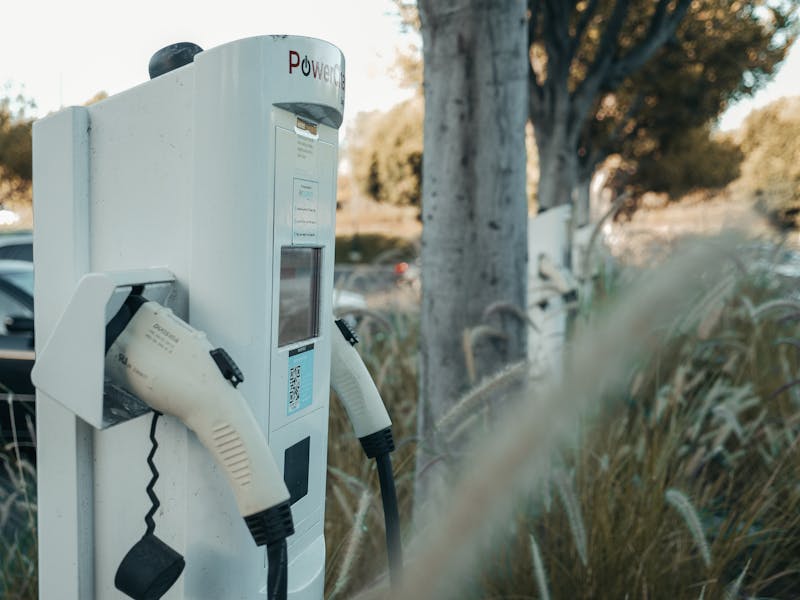
You've bought an electric vehicle — or you're about to — and charging at home is the obvious next step. It's cheaper than public charging, more convenient than hunting for stations, and with the right setup, you can charge entirely from solar panels on your roof.
But EV charger installation isn't as simple as plugging into the wall. Here's everything Australian homeowners need to know.
Can I Just Use a Normal Power Point?
Technically yes. Every EV comes with a portable charger (sometimes called a "granny charger") that plugs into a standard 10A socket. But here's the reality:
- A 10A socket delivers about 2.3kW — that's 10-15km of range per hour of charging
- Charging a 60kWh battery from empty takes 26+ hours on a standard socket
- Standard sockets aren't designed for continuous high-load use — sustained charging at near-maximum rating generates heat and can cause failures
For occasional top-ups or a PHEV with a small battery, it works. For daily charging of a full BEV, you'll want a dedicated charger.
Types of Home EV Chargers
Level 2 — Single Phase (7kW)
The standard for Australian homes. Requires a dedicated 32A circuit from your switchboard. Delivers about 40km of range per hour, meaning a full charge overnight (6-10 hours from empty). This is what most homeowners install.
Level 2 — Three Phase (11-22kW)
For homes with 3-phase power. Delivers 60-120km of range per hour. A full charge in 2-4 hours. Only worthwhile if your vehicle supports 3-phase charging (most Tesla, BMW, Polestar, and Mercedes EVs do).
Smart Chargers
Smart chargers add Wi-Fi connectivity, app control, scheduled charging, load management, and solar diversion. Popular models in Australia:
- Zappi — excellent solar integration, dynamic load management, locally popular, good app
- Tesla Wall Connector — sleek design, best for Tesla owners, Wi-Fi with scheduled charging
- ABB Terra — commercial-grade reliability, good for strata installations
- Wallbox Pulsar Plus — compact, Bluetooth and Wi-Fi, load balancing capable
Installation Requirements
- Dedicated circuit — 32A minimum from your switchboard to the charger location. Cannot be shared with other outlets
- Appropriate cable sizing — 6mm² TPS for short runs (up to ~15m), 10mm² for longer runs. Undersized cable overheats
- Switchboard capacity — your board needs a spare circuit position and enough total capacity for the additional load. Many older boards require an upgrade
- RCD protection — a Type A RCD minimum (many installers recommend Type B for EV charging, which also detects DC fault current)
- Location — the charger should be mounted near where you park, protected from direct rain, and accessible for the cable to reach your vehicle's charge port
Solar + EV Charging
If you have solar panels, a smart EV charger can prioritise charging from excess solar production. The Zappi is particularly good at this — it monitors your solar inverter output in real-time and adjusts the charging rate to match available surplus.
On a sunny day in Sydney, a 6.6kW solar system might produce 4-5kW of surplus during the middle of the day. A Zappi can dynamically charge at that rate, effectively giving you free fuel. Over a year, this can save $1,000+ in charging costs compared to off-peak grid electricity.
EV Charger Installation Costs (Sydney 2026)
- Charger unit: $800–$2,500 (depending on brand and features)
- Basic installation (charger near board, no upgrade): $500–$800
- Standard installation (15m cable run, possible board work): $1,000–$2,000
- Complex installation (long run, board upgrade, underground): $2,000–$3,500+
Ready to install a home EV charger? Call Randwick Electrical on 0413 707 758 for a site assessment and quote. We install all major charger brands and can advise on the best setup for your vehicle and home.