
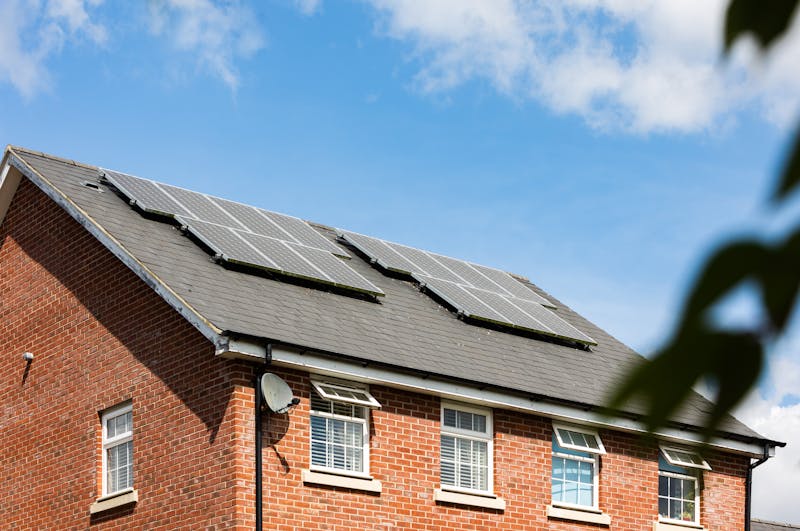
Solar panel installation involves two trades: a solar installer who handles the panels and inverter, and an electrician who ensures your home's electrical system can safely accommodate the solar setup. Many homeowners don't realise that their existing electrical infrastructure may need upgrading before solar can be connected.
Pre-Solar Electrical Assessment
Before any solar installer puts panels on your roof, an electrician should assess:
1. Switchboard Capacity
Your switchboard needs to accommodate:
- A dedicated circuit breaker for the solar inverter
- A solar supply main switch (required by Australian standards)
- Adequate bus bar capacity for the additional solar generation
If your board is old, full, or non-compliant, it will need upgrading before solar connection. This is one of the most common "hidden costs" in solar installation — the solar quote doesn't always include switchboard work.
2. Single Phase vs Three Phase
This affects the size of solar system you can install:
- Single phase: Generally limited to 5kW inverter without export limiting (though 6.6kW of panels is standard, as panels rarely produce full rated output)
- Three phase: Can accommodate larger inverters (10-15kW+) and distributes generation across phases for better grid compatibility
If you want a larger system and currently have single phase, a three-phase upgrade may be worth considering alongside the solar installation.
3. Meter Type
You need a bi-directional (import/export) meter to receive credit for excess solar exported to the grid. If you still have an older meter, your energy retailer will arrange a smart meter installation — but this takes time and should be organised early in the process.
4. Existing Wiring Condition
Solar adds generation capacity to your home's electrical system. If existing wiring is in poor condition, this additional capacity can create or exacerbate problems. A pre-solar wiring assessment can identify issues before they become complications during installation.
5. Main Cable and Fuse Rating
The cable from the street to your meter, and the service fuse, must be adequate for the combined load and generation. In some cases, Ausgrid may need to upgrade the service connection — particularly for larger solar systems or properties with older overhead connections.
During Solar Installation
An electrician is involved in:
- Inverter connection to the switchboard
- DC isolator installation (between panels and inverter)
- AC isolator installation (between inverter and switchboard)
- Earthing system verification and upgrade if needed
- System testing and commissioning
- CCEW lodgement and Ausgrid connection application
Solar + Battery
If you're considering battery storage (Tesla Powerwall, BYD, etc.), additional electrical work is required:
- Battery system connection to switchboard (or sub-board)
- Essential loads circuit configuration (which circuits keep running during a blackout)
- Backup changeover switching
- Additional testing and certification
Solar Pre-Assessment Cost
A pre-solar electrical assessment typically costs $150–$300 and covers switchboard inspection, wiring assessment, and a report on what (if anything) needs upgrading before solar installation. This investment can save you from unexpected costs and delays during the solar install.
Planning solar for your Eastern Suburbs home? Call Randwick Electrical on 0413 707 758 for a pre-solar assessment. We'll make sure your home's electrical system is ready.